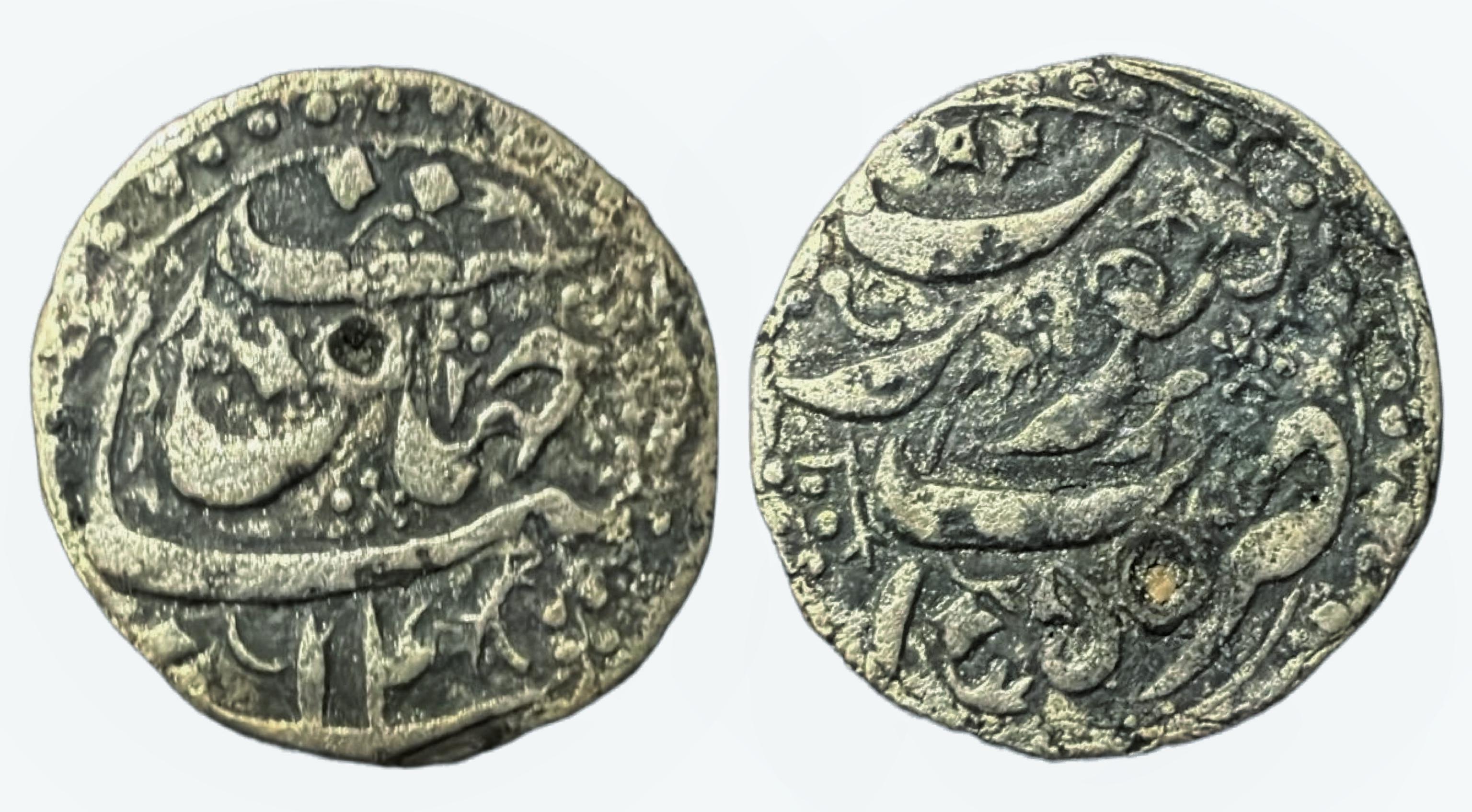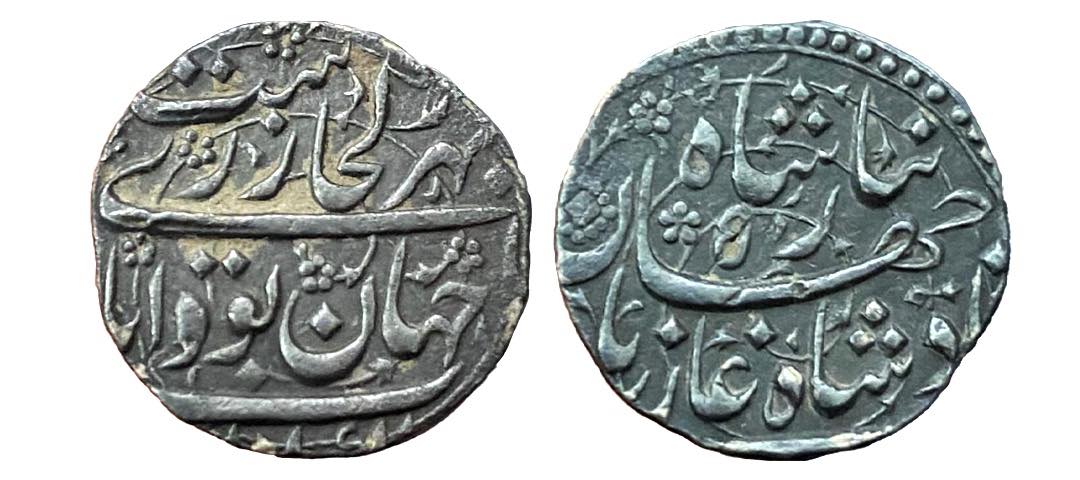
AH 1037-1068 / AD 1628-1658
Shah Jahan (1592-1666) was the fifth ruler of the Mughal Empire, renowned for his architectural legacy and his deep romantic attachment to his wife, Mumtaz Mahal. Born as Khurram, he was the third son of Emperor Jahangir and was known for his military prowess and administrative skills.
Shah Jahan ascended to the throne in 1628 after a series of fratricidal struggles. His reign is often referred to as the Golden Age of the Mughal Empire. He was a patron of art, culture, and architecture, commissioning some of the most iconic structures in the world, including the Taj Mahal, in memory of his beloved wife Mumtaz Mahal.
Under Shah Jahan's rule, the Mughal Empire reached its zenith both culturally and economically. He implemented significant administrative reforms, ensuring efficient governance and economic prosperity. However, his later years were marred by internal strife, particularly the power struggles among his sons.
Shah Jahan's reign came to an abrupt end in 1658 when he was deposed by his son Aurangzeb. He spent the last years of his life imprisoned in Agra Fort, where he could gaze upon the Taj Mahal, the symbol of his undying love for Mumtaz Mahal.
Shah Jahan's legacy lies not only in the architectural marvels he created but also in his contributions to the cultural and artistic richness of the Mughal Empire, making him one of the most celebrated rulers in Indian history.
 Pre-accession coinage